💧
15.9+ crore rural households now have a tap water connection up from 3.23 crore in 2019; covering over 82% of rural India under the Jal Jeevan Mission
India Water Future
Tracking India's water sector and the sectors it touches on the road to Viksit Bharat @2047
India Water Future
Water sits at the centre of India's development story. As the nation moves toward Viksit Bharat @2047; the vision of a developed, self-reliant India by the hundredth year of its independence. The water sector has become one of the clearest, most human measures of that progress. Over the past decade, India has built rural water infrastructure at a pace and scale attempted nowhere else in the world, pulled its most sacred river back from the edge of ecological collapse, and started treating groundwater, irrigation, sanitation, and urban water security as parts of one interconnected system rather than separate problems.
Viksit Bharat @2047 envisions an India that is developed, inclusive and globally influential by the hundredth year of its independence anchored by an economy aimed at $30–40 trillion, and more fundamentally, by the everyday wellbeing of its peopleThe Jal Shakti Ministry has repeatedly framed water as sitting at the very heart of India's journey to Viksit Bharat 2047, and successive Jal Shakti Ministers have said plainly that the dream of a developed India by 2047 cannot be realised without secure, sustainable water resources.
That framing runs through the vision's own architecture. Viksit Bharat's four pillars — Yuva Shakti (youth), Nari Shakti (women), Garib Kalyan (the poor) and Annadata (farmers) each depend on water in a direct, tangible way: women and girls freed from hours spent fetching water each day; farmers whose incomes rise or fall on irrigation; families lifted out of poverty partly through better health outcomes from clean water and sanitation; and a young workforce that needs water-secure cities and industries to build its future in. The sections below set out what India's water sector and the sectors closely tied to it have delivered so far on that journey.
India Water Future
15.9+ crore rural households now have a tap water connection up from 3.23 crore in 2019; covering over 82% of rural India under the Jal Jeevan Mission
363 of 524 projects completed under Namami Gange, creating 4,263 MLD of sewage treatment capacity to clean the Ganga
68,000+ Amrit Sarovars (water bodies) built or revived in districts across the country
1.9 crore new household tap connections delivered in towns and cities over ten years under AMRUT, lifting urban coverage from about 50% to roughly 70%
12+ crore toilets built nationwide; India declared Open Defecation Free, with over 5.6 lakh villages now certified ODF Plus
109 lakh hectares brought under efficient micro-irrigation since 2015 through Per Drop More Crop
India's first river-linking project, the Ken–Betwa Link, now under construction to secure Bundelkhand's water future
₹2.16 lakh crore committed in the 2026-27 Union Budget to water supply, sanitation and river conservation alone
India Water Future
Launched by Prime Minister Narendra Modi on 15 August 2019, the Jal Jeevan Mission (JJM) set out to do something no country had attempted at this scale: bring a functional tap water connection to every rural household in India. At launch, barely one in six rural homes 3.23 crore out of roughly 19.4 crore had one. Seven years on, the picture looks very different.
Over 15.9 crore rural households more than 82% of the country now have tap water, an increase of over 12.5 crore connections since 2019
More than 2.8 lakh villages and over 1 lakh Gram Panchayats have been certified "Har Ghar Jal," meaning every household and public institution in them has a working tap
The WHO estimates the Mission is saving roughly 5.5 crore hours a day that would otherwise go into fetching water; time returned mainly to women and girls
Water quality is tracked through a network of 2,868 testing laboratories (over 1,700 NABL-accredited), with nearly 25 lakh women trained as citizen water testers using Field Test Kits
In March 2026, the Union Cabinet approved JJM 2.0, extending the Mission to December 2028 with an enhanced outlay of ₹8.69 lakh crore shifting the focus from building connections to guaranteeing reliable, everyday water service
Coverage, though, is only half the story. An independent 2024 functionality assessment found that while connections are now near-universal, only around three in four households consistently receive water that meets the Mission's own standards for quantity, quality and regularity. Closing that gap not just installing more taps is precisely what JJM 2.0 has been built to do.
India Water Future
The Ganga is not just India's longest river; it is central to the identity, economy and public health of the roughly 40% of Indians who live in its basin. Since 2014, the Namami Gange Programme has pursued the river's rejuvenation on a basin-wide scale treating sewage, restoring riverfronts, reviving biodiversity, and rebuilding people's relationship with the river organised around five pillars: Nirmal Ganga (an unpolluted river), Aviral Ganga (unbroken ecological flow), Jan Ganga (public participation), Gyan Ganga (knowledge and research), and Arth Ganga (the river as an economic asset).
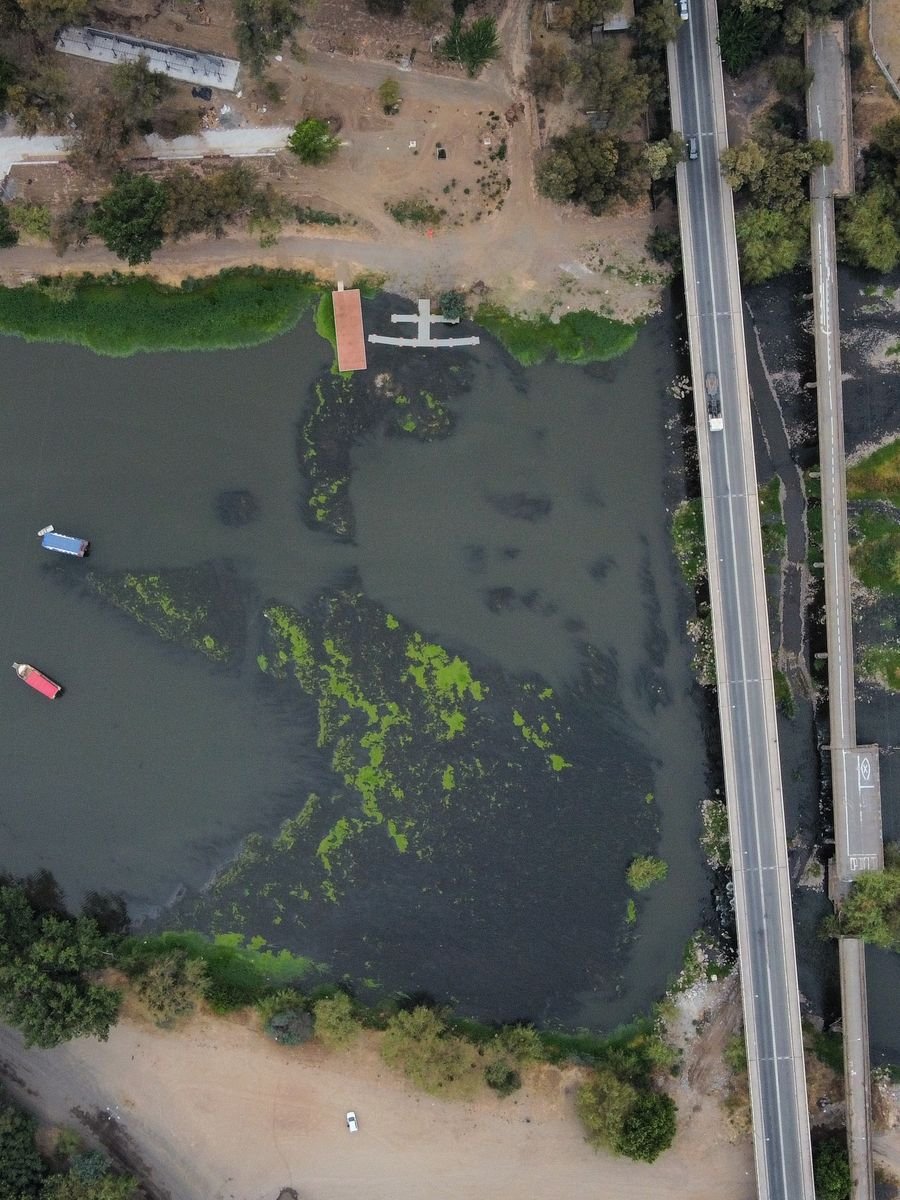
In December 2024, Prime Minister Modi laid the foundation stone for the Ken–Betwa Link Project; the first of India's 30 identified river-interlinking projects to move from the drawing board into construction. The ₹44,605-crore project will carry water from the Ken River to the water-stressed Betwa basin across the Bundelkhand region of Madhya Pradesh and Uttar Pradesh, an area that has endured recurring drought for generations.
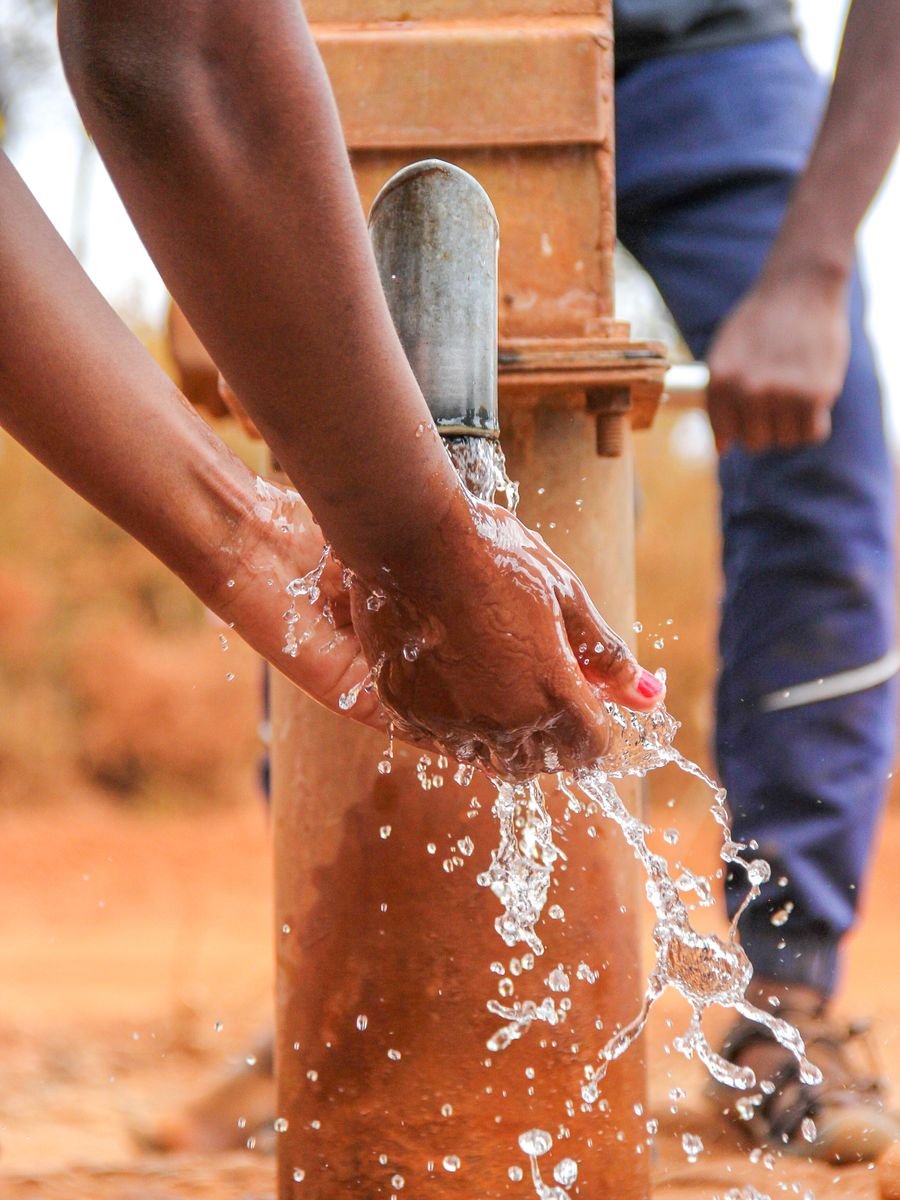
Groundwater quietly does most of the work in Indian water security supplying roughly 85% of drinking water and about two-thirds of irrigation nationally which is exactly why managing it has become a Viksit Bharat priority in its own right. The Atal Bhujal Yojana (Atal Jal), launched in December 2019, was India's first scheme to treat groundwater as a resource managed by the communities who use it, rather than one endlessly drilled deeper into.
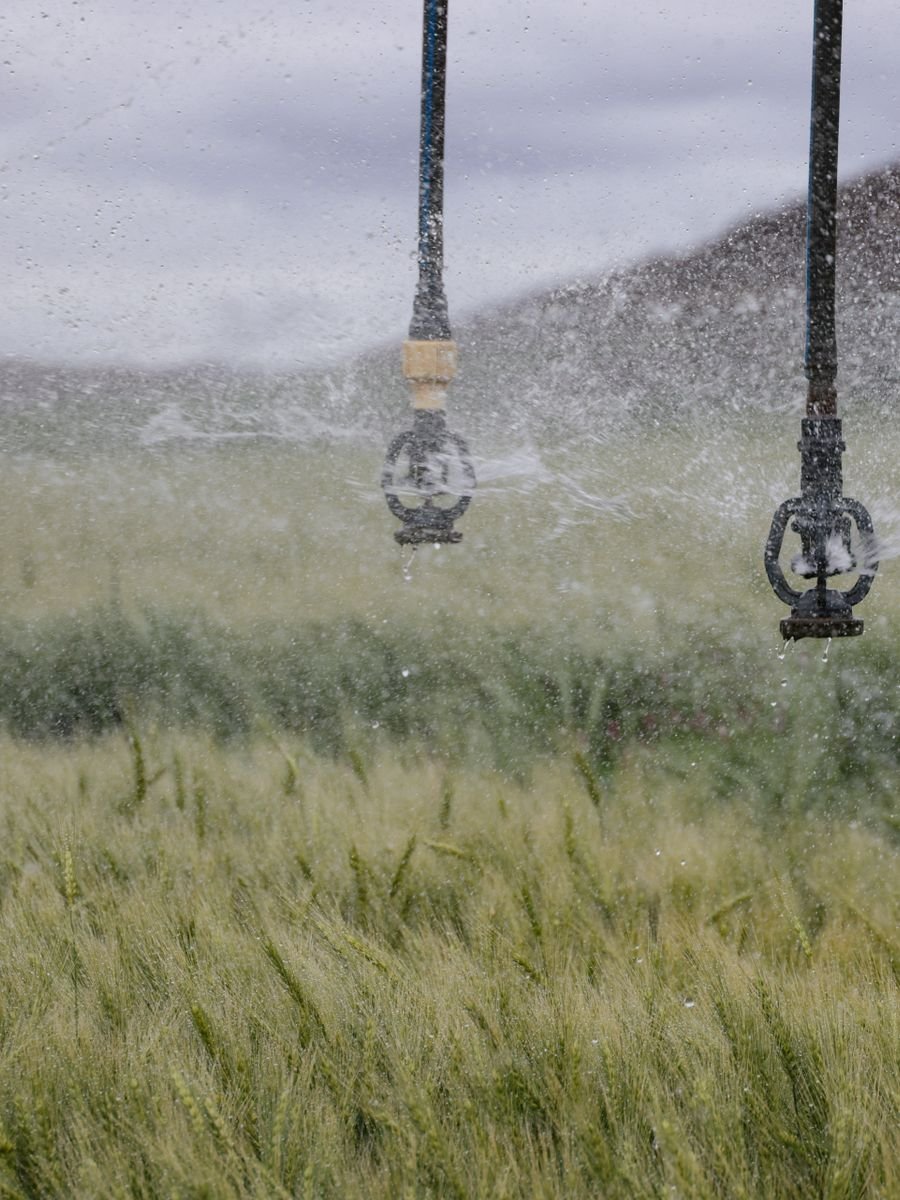
Agriculture still uses the largest share of India's water, which makes irrigation efficiency one of the most consequential levers in the entire water story. Marking ten years in 2025, the Pradhan Mantri Krishi Sinchayee Yojana (PMKSY) has pursued the twin goals in its own name Har Khet Ko Pani (water to every field) and Per Drop More Crop (more from every drop) by expanding assured irrigation and pushing farmers toward precision technologies like drip and sprinkler systems.
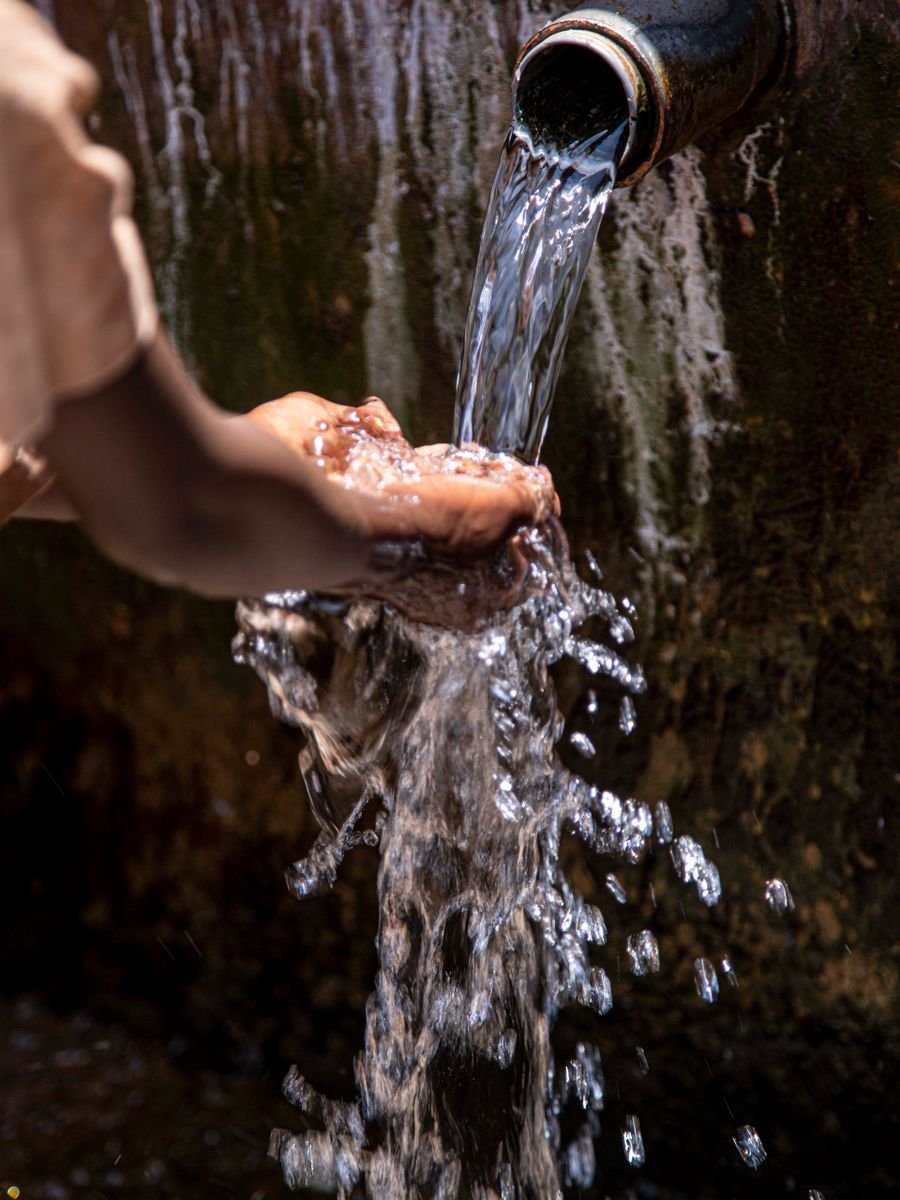
Clean water and safe sanitation have always been two sides of the same coin, which is why the Swachh Bharat Mission belongs squarely within any account of India's water story. Launched in October 2014, the Mission set out to end open defecation nationwide within five years — an extraordinarily ambitious target that was, in fact, met.
India Water Future
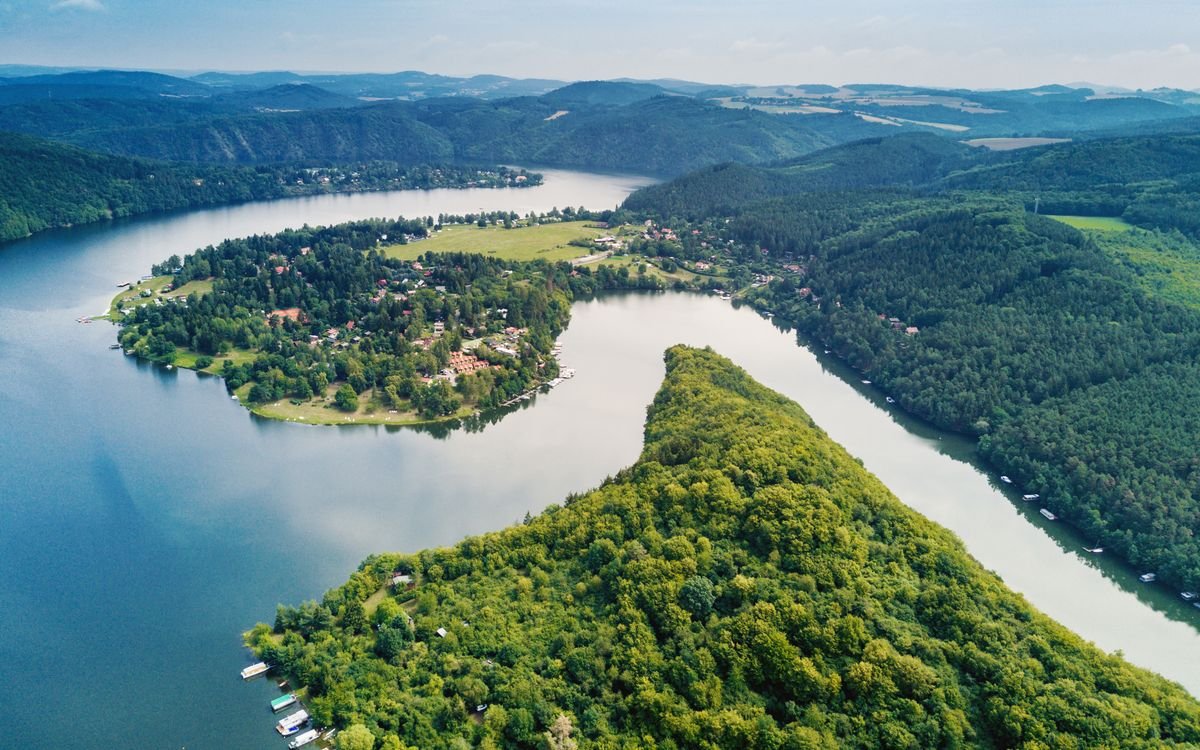
India's water transformation has not gone unnoticed internationally and the country has increasingly used that credibility to help shape global water conversations rather than simply follow them. Namami Gange's recognition as a UN World Restoration Flagship sits alongside a broader pattern: the World Bank's Country Partnership Framework for India (FY2026–31) has made water security for 100 million more Indians a central target within its global "Water Forward" strategy, explicitly building on the Jal Jeevan Mission, AMRUT and Swachh Bharat as its foundation. India has also hosted successive editions of India Water Week now reorganised as the India International Water Week bringing policymakers, researchers and industry from across the globe to a platform first conceived in 2012, alongside active Indian participation in the World Water Forum, the UN Water Conference, and climate and biodiversity negotiations where water, energy and environment increasingly sit at the same table.
From the blog
Welcome to WordPress. This is your first post. Edit or delete it, then start writing!
Read articleThe Road to 2047
None of this means the work is finished. Coverage figures, however impressive, still sit ahead of service reliability in many places only around three in four households with a JJM connection currently receive water that consistently meets the Mission's own standards, and groundwater in several regions is still being drawn down faster than nature can refill it. Financing, execution capacity at the state and district level, and the sheer scale of what remains to be built are real constraints, not footnotes.
Viksit Bharat @2047 sets India's water sector an unambiguous brief: move from building infrastructure to guaranteeing service, from expanding access to sustaining it, and from managing water in silos to managing it as the single interconnected system it has always been. The achievements above show that pace and ambition are not the constraint follow-through now is. That is the water future India is building toward: one household, one river, and one aquifer at a time.