
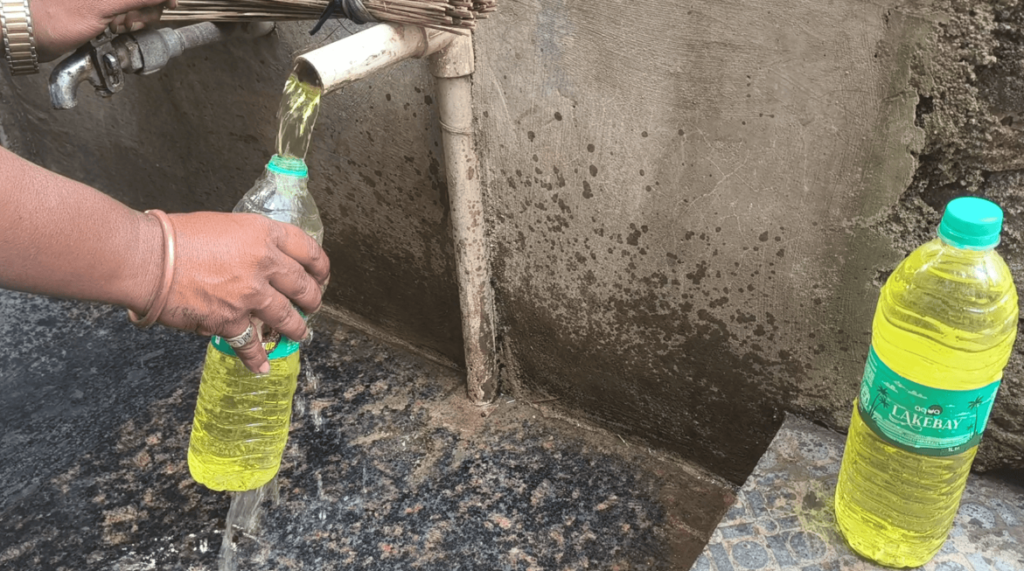
More than 400 residents of Dattanagar, near Maharashtra’s Ambad industrial estate in Nashik, have reported severe skin ailments that they attribute to chromium-contaminated groundwater. Laboratory testing commissioned by the South Asia Network on Dams, Rivers and People found total chromium at 50.5 mg/L, including 50.3 mg/L of highly toxic hexavalent chromium, against the Bureau of Indian Standards’ drinking-water limit of 0.05 mg/L. Separate Maharashtra Pollution Control Board (MPCB) tests detected chromium at 45 mg/L in two groundwater samples. Residents face recurring medical expenses, irregular access to safe municipal water and social stigma, while activists allege that untreated industrial effluents from the Ambad and Satpur industrial estates are contaminating groundwater and waterways connected to the Nandini and Godavari rivers. The Nashik Municipal Corporation has sealed affected borewells and arranged tanker supplies, while the MPCB reports closing 22 industrial units. However, a common effluent treatment plant ordered by the Bombay High Court in 2012 remains unbuilt, with completion now expected by the end of November 2026. The National Green Tribunal has directed authorities to report on remedial action and ensure drinking-water provision. The episode highlights persistent gaps in industrial effluent management, groundwater protection, public-health safeguards and enforcement, with potential implications for the Godavari ahead of the 2027 Simhastha Kumbh Mela.
Source: Mongabay