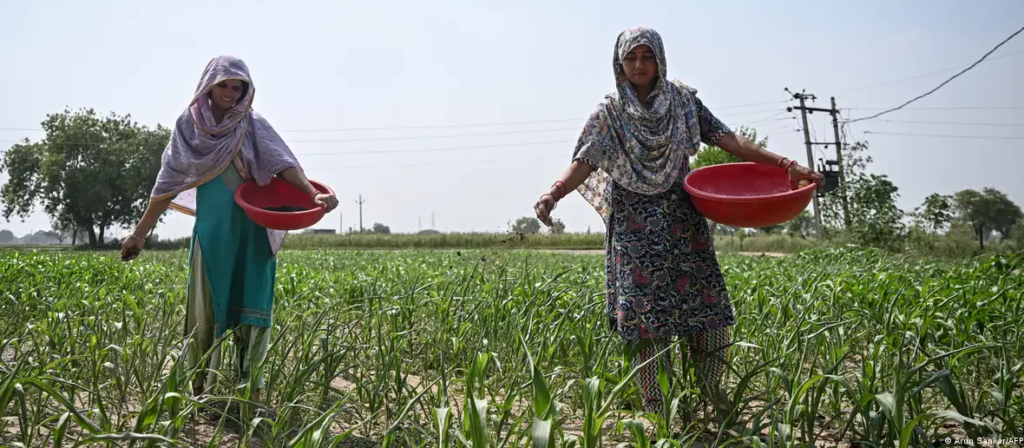
India’s deficient monsoon has intensified pressure on agriculture, water security and electricity generation, exposing the interconnected vulnerabilities of the country’s water–energy–food nexus. Between June and September 2026, India received 759.4 mm of rainfall against a long-term average of 868.6 mm, representing a 12.6% deficit and the driest monsoon in 11 years. Reservoir storage across 178 monitored reservoirs stood at 132.7 billion cubic metres, below the 10-year average of 151.1 billion cubic metres. Hydropower generation declined nearly 16% year-on-year in September, while electricity shortages reached 560 million kilowatt-hours. Simultaneously, around 40% of coal-fired power plants reported critically low coal stocks. The crisis is also affecting rural livelihoods, agricultural output, food prices and industrial productivity. With El Niño contributing to deficient rainfall and climate change potentially intensifying dry spells and rainfall variability, the situation underscores the need for integrated water resource management, climate-resilient agriculture, improved reservoir planning and diversified energy systems to strengthen India’s resilience against increasingly unpredictable monsoon patterns.
Source: Deutsche Welle