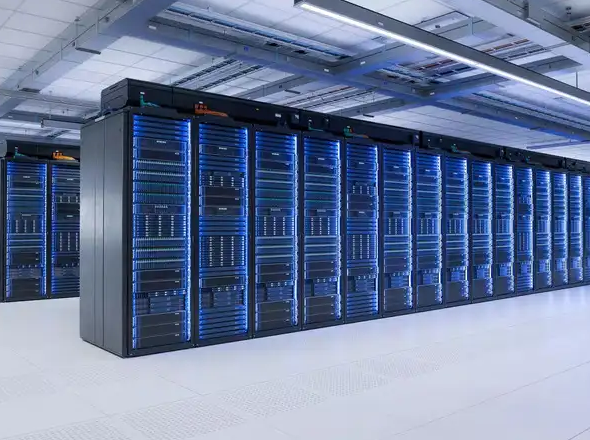
India’s rapidly expanding data centre industry is raising concerns over its growing demand for land, freshwater and electricity, particularly in regions already facing resource constraints. According to estimates cited in the report, India’s data centres consumed approximately 150 billion litres of water in 2025, with demand projected to rise to 358 billion litres by 2030, potentially reaching 558 billion litres when the wider resource footprint is considered. The proposed Google-Adani-Airtel AI project in Visakhapatnam, involving an initial capacity of 1 GW and potentially scaling to 2.5 GW, is estimated by campaigners to require 68.5 million litres of water daily, against the city’s reported public water deficit of 66 MLD. Similar concerns have emerged in Hyderabad’s Rangareddy district, where groundwater extraction by industrial borewells has intensified competition with agricultural users, and in Thane, where the proposed Amazon data centre has faced opposition over water demand, backup diesel generators and pressure on urban infrastructure. These developments have raised questions about whether data centre expansion is being adequately aligned with local water availability and community needs.
The report also highlights concerns over land acquisition, environmental clearances and the distribution of economic benefits. In Tarluvada, Visakhapatnam, more than 50 Dalit farming families reportedly lost land allocated to them by the government, with several alleging that promised compensation, alternative land and employment have not been fully delivered. In Telangana, researchers have documented disparities in groundwater access and livelihood pressures in areas surrounding industrial and data centre developments. Regulatory gaps further complicate the situation, as data centres are not separately classified under India’s environmental clearance framework and may be assessed under building and construction categories, potentially avoiding comprehensive Environmental Impact Assessments and public consultations. The report notes that clearances for two Visakhapatnam sites were granted within nine days, while the Tarluvada project is located close to the Kambalakonda Wildlife Sanctuary and its eco-sensitive zone. Critics also point to the absence of mandatory, facility-level disclosure of water and energy consumption, limited public consultation and concerns over the cumulative impact of large projects on forests, biodiversity, air quality and local communities.
Energy consumption and waste management present additional challenges as India’s data centre capacity expands. The industry could add an estimated 26.3 GW of load to the national grid by 2031–32, while electricity demand is projected to reach 91 TWh by 2035. Given the continued dependence on fossil fuels, particularly coal, this expansion could increase emissions unless renewable energy integration and efficiency standards are strengthened. The report highlights the need for mandatory water and energy audits, transparent reporting of Water Usage Effectiveness (WUE) and Power Usage Effectiveness (PUE), restrictions on projects in water-stressed regions, recycled water and low-water cooling technologies. It also calls attention to specialised waste, including obsolete hardware, batteries, cooling fluids and substances associated with fire-suppression systems. A dedicated regulatory framework should therefore link investment incentives and infrastructure clearances to enforceable environmental and social safeguards, prioritise drinking water and agriculture, ensure fair land compensation and meaningful community participation, and establish transparent accountability for resource use. The broader challenge is to ensure that India’s digital and AI infrastructure growth advances technological competitiveness without transferring its environmental and social costs to vulnerable communities.
Source: https://frontline.thehindu.com/the-nation/ai-data-centres-india-regulations-environment/article71532615.ece