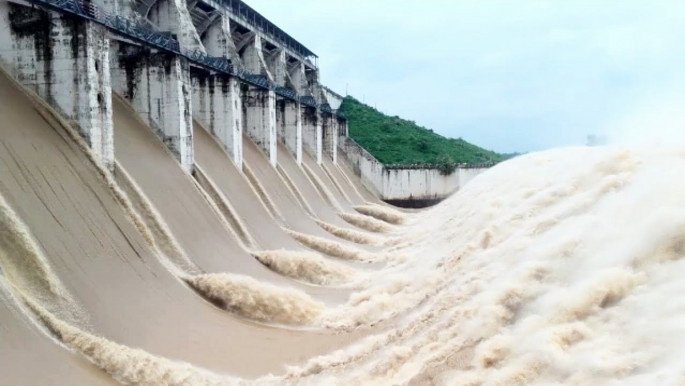
India and Bangladesh may renegotiate the 1996 Ganges Water Treaty, which is due to expire on 12 December 2026, with significant changes, including a shorter duration, reportedly under consideration. Automatic renewal appears increasingly uncertain amid the lack of clarity over Bangladesh Prime Minister Tarique Rahman’s proposed visit to India. The treaty governs dry-season water sharing through the Farakka Barrage, from 1 January to 10 May. Indian stakeholders are seeking revisions to account for rising freshwater demand in Bihar and West Bengal, industrial requirements, thermal power needs and siltation around Farakka. Bihar Chief Minister Samrat Chowdhury has stressed the need to protect the state’s interests. Meanwhile, Bangladesh’s BNP is advocating restoration of the 1977 accord’s minimum-guarantee provision, which ensured Bangladesh 8% of its scheduled allocation during lean periods. The 1996 agreement provides for equal sharing when Ganges flows fall to 70,000 cusecs or below, with each country receiving 35,000 cusecs, alongside alternating guaranteed allocations during March–May. These competing demands highlight the need for a more comprehensive, basin-level framework that balances water security, agricultural needs and changing development pressures in both countries.
Source: The Business Standard