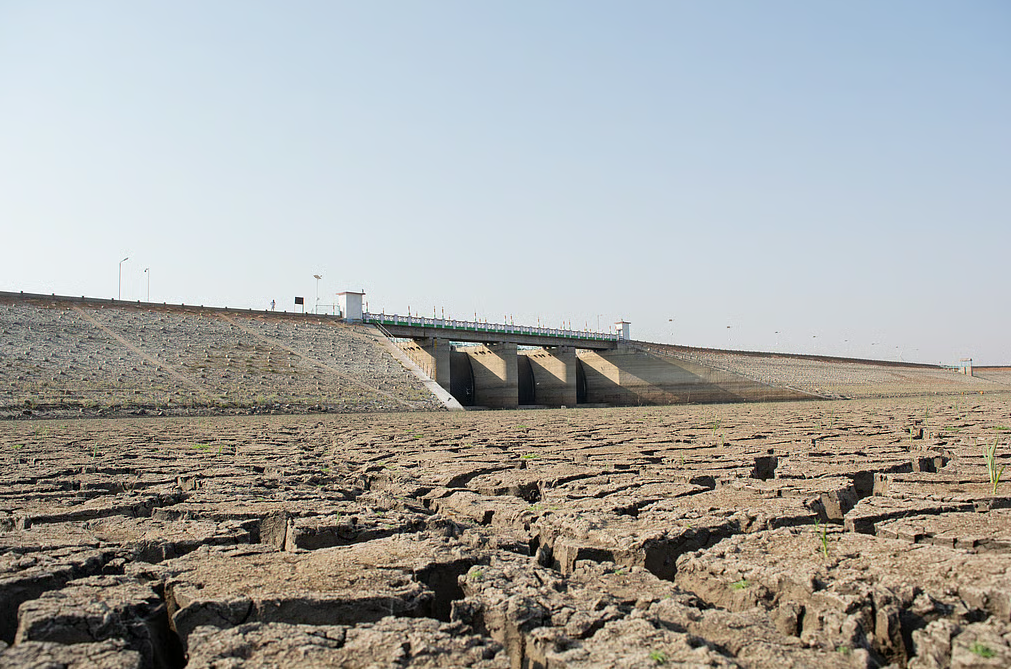
India’s 178 major reservoirs held 126.717 billion cubic metres (BCM) of water as of 15 October 2026, equivalent to 68.58% of their combined usable capacity, leaving 31.42% unfilled, according to the Central Water Commission (CWC). Storage was 24.53% lower than the corresponding period last year and 16.44% below the 10-year average. Southern and western states face particularly severe shortages, with several reservoirs in Andhra Pradesh, Karnataka, Maharashtra, Tamil Nadu and Telangana recording less than half their normal storage. The Aliyar reservoir in Tamil Nadu reported no storage relative to its normal level, while Idukki in Kerala held just 10.62% of normal storage. At the river-basin level, the Pennar and Cauvery were classified as highly deficient, with storage deficits of 72.32% and 60.50%, respectively. The Krishna and Sabarmati basins also recorded substantial deficits of 32.59% and 38.03%. In contrast, Narmada, Mahanadi and Swarnarekha recorded above-normal storage. The low levels could intensify pressure on drinking-water supplies, irrigation and hydropower generation in the coming months, underscoring the need for region-specific reservoir management, demand planning and improved water conservation measures.
Source: DTE